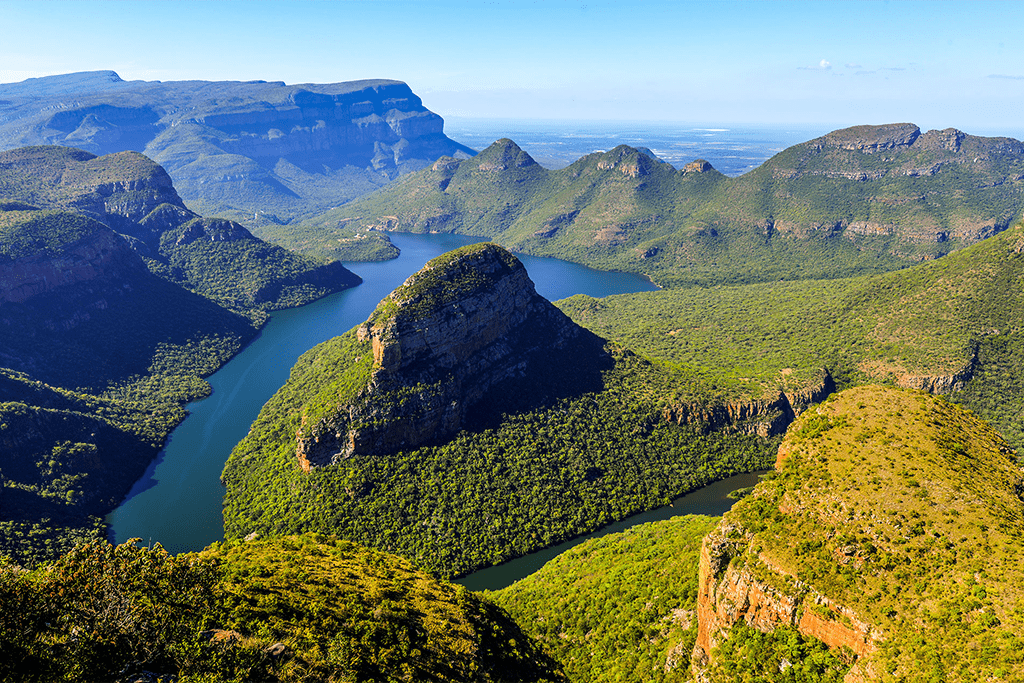
The Lowveld Botanical Garden, managed by the South African National Biodiversity Institute (SANBI), is a 159-hectare oasis located in Nelspruit, Mpumalanga. This enchanting garden is home to over 600 indigenous plant species and an additional 2,000 introduced species, making it a premier destination for nature enthusiasts and botanical admirers alike.
Unique Features and Attractions:
- South African Forest – The Lowveld Botanical Garden features a diverse array of vegetation from both the Coastal Belt and Limpopo Province. It plays a critical role in the conservation of rare and endangered species, including cycads and fig trees.
- Landscaped Gardens – The garden’s landscaped areas boast magnificent lawns and indigenous plants, providing a serene and picturesque environment for visitors to enjoy.
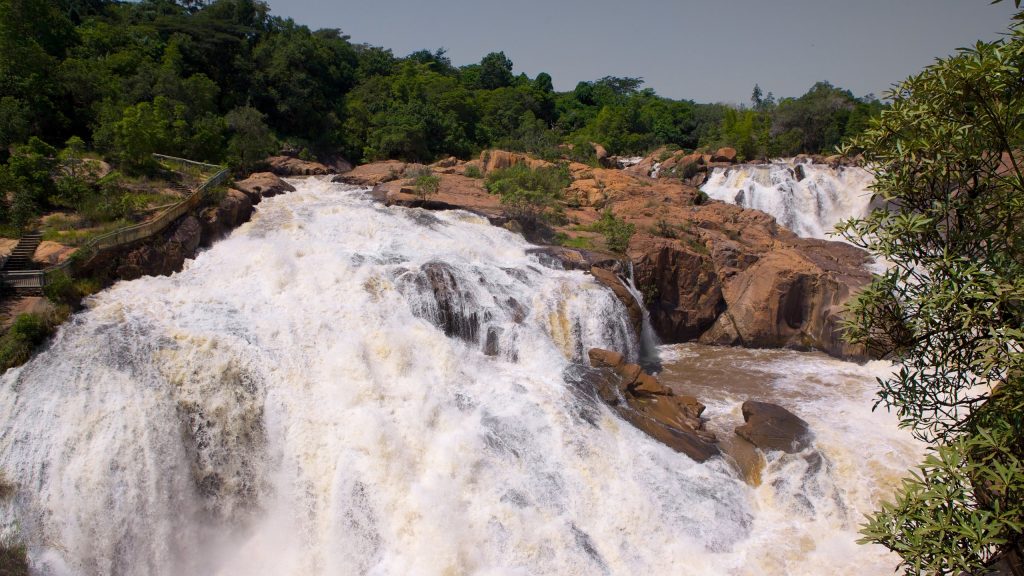
- River Scenery – The Crocodile and Nels Rivers intersect within the garden, creating a stunning backdrop of rugged, rocky river scenery.
- Wildlife – The Lowveld Botanical Garden is home to a variety of bird species and other wildlife, making it an ideal spot for birdwatching and wildlife photography.
Visiting Tips:
The Lowveld Botanical Garden is open daily, with hours varying seasonally. There is an entrance fee, and guided tours are available for those interested in learning more about the garden’s flora and fauna. Be sure to wear comfortable walking shoes and bring sunscreen, sunglasses, and a hat for protection from the sun.
Local History and Culture:
The Lowveld Botanical Garden has a rich history rooted in the conservation and preservation of South Africa’s diverse plant species. SANBI’s dedication to protecting the region’s natural heritage has helped establish the garden as a premier destination for botanical enthusiasts and an essential resource for researchers and conservationists.
Sustainable Travel Tips:
Help preserve the natural beauty of the Lowveld Botanical Garden by practicing sustainable travel habits:
- Stick to designated paths and trails to minimize impact on the local ecosystem.
- Refrain from picking plants or disturbing wildlife.
- Recycle any waste and dispose of litter responsibly.
- Support the garden’s conservation efforts by making a donation or purchasing souvenirs from the on-site gift shop.
In conclusion, the Lowveld Botanical Garden is a must-visit destination for anyone interested in South Africa’s diverse flora and fauna. By practicing sustainable travel habits, you can help ensure that this vibrant and essential resource remains intact for future generations to enjoy.