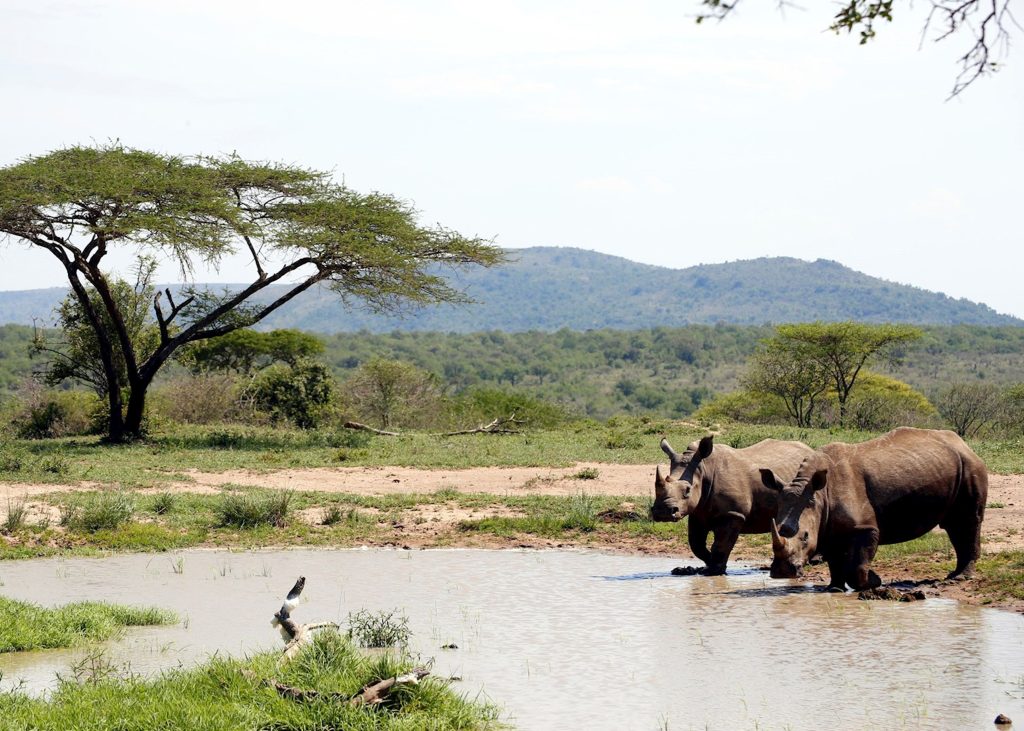
The KwaZulu-Natal Museum, situated in Pietermaritzburg, South Africa, is a must-visit destination for history enthusiasts, nature lovers, and anyone seeking an enlightening and engaging experience. As the largest museum in the KwaZulu-Natal province, it offers a wealth of information and displays that showcase the region’s rich history, diverse cultures, and fascinating natural world.
Established in 1904, the museum has since grown to house an extensive collection of artifacts, specimens, and exhibits. Visitors can explore a variety of galleries, each offering unique insights into different aspects of the province’s past and present. One of the most popular exhibits is the Victorian street scene, which recreates the ambiance of a late 19th-century Pietermaritzburg street, complete with shops, period furnishings, and artifacts.
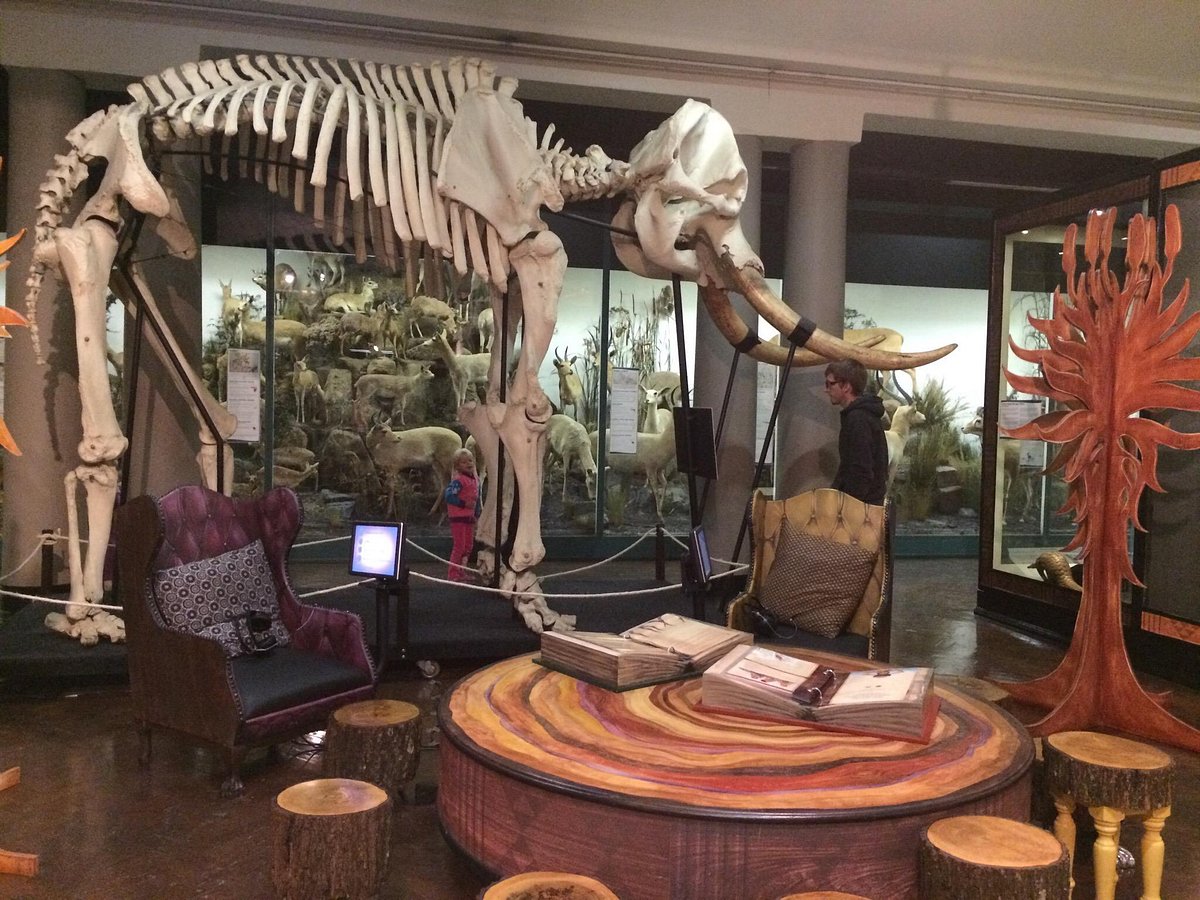
The KwaZulu-Natal Museum also boasts an impressive collection of natural history specimens, including stuffed birds, mammals, and marine life. The Earth Science Gallery provides an in-depth look at the region’s geology and paleontology, with displays of fossils, rocks, and minerals. In addition, the museum is home to the KwaZulu-Natal Herbarium, which houses a vast collection of plant specimens from the region, contributing to ongoing research and conservation efforts.
The museum’s commitment to education and research extends beyond its extensive collections. The institution hosts temporary exhibitions, workshops, and educational programs throughout the year, providing opportunities for visitors of all ages to learn and engage with the museum’s resources.
Visitors to the KwaZulu-Natal Museum can also enjoy the tranquil surroundings of the museum grounds, which feature landscaped gardens and a small coffee shop. The museum’s location in Pietermaritzburg makes it an accessible destination for both locals and tourists exploring the rich cultural heritage and natural beauty of KwaZulu-Natal.
In conclusion, the KwaZulu-Natal Museum offers an immersive and enriching experience for visitors seeking to delve into the captivating history, culture, and nature of South Africa’s KwaZulu-Natal province. With its extensive collections, engaging exhibits, and commitment to education, the museum stands as a testament to the region’s vibrant past and ongoing dedication to preserving its unique heritage.