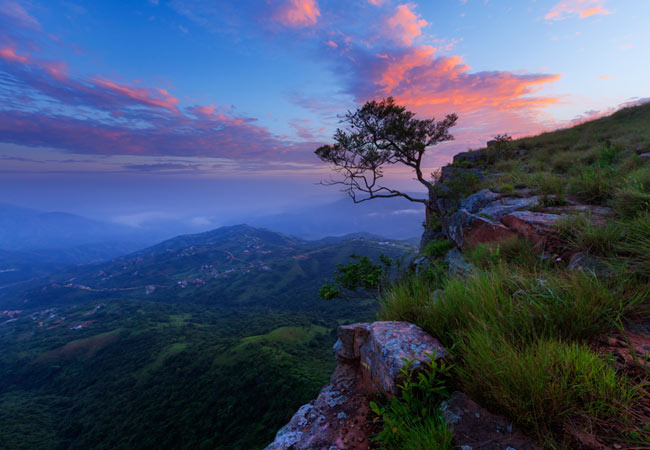
Established in 1895, the Hluhluwe-Imfolozi Game Reserve holds the distinction of being Africa’s oldest nature reserve. The park spans across an impressive 960 square kilometers in the KwaZulu-Natal province of South Africa, encompassing a diverse range of landscapes and ecosystems. The reserve consists of two distinct areas: Hluhluwe and Imfolozi, which were previously separate reserves but later joined together.
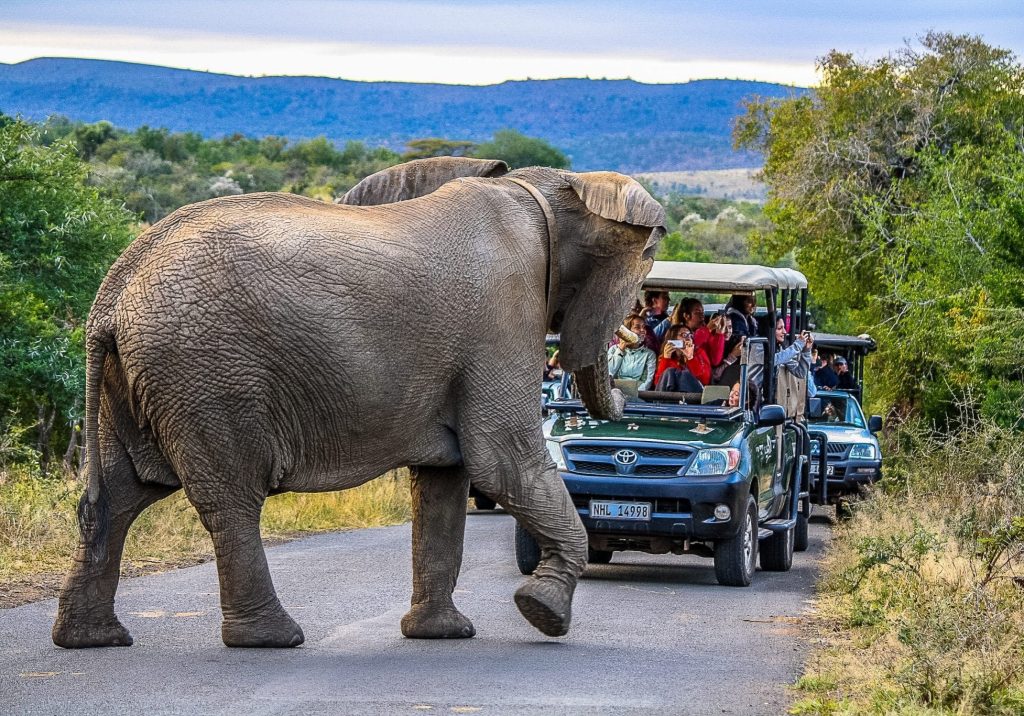
The terrain within Hluhluwe-Imfolozi varies from dense forests and rolling hills to vast grasslands, offering visitors a captivating glimpse into the region’s natural beauty. The reserve’s network of rivers sustains the diverse habitats, providing essential resources for the abundance of wildlife found here.
Renowned for its exceptional wildlife-viewing opportunities, Hluhluwe-Imfolozi is home to a remarkable variety of animals, including Africa’s iconic Big Five: lions, leopards, rhinoceroses, elephants, and Cape buffalo. Visitors can embark on guided game drives or self-drive excursions to observe these magnificent creatures in their natural habitat.
The reserve is particularly famous for its conservation efforts to protect and preserve the endangered white rhinoceros. Due to successful management and conservation initiatives, the park now boasts one of the world’s largest populations of white rhinos. Visitors may also encounter other notable species such as cheetahs, giraffes, zebras, wildebeests, and various antelope species.
In addition to its rich wildlife, Hluhluwe-Imfolozi supports over 350 species of birds, including the rare and endangered KwaZulu-Natal sandgrouse, as well as numerous reptile and amphibian species. The park also offers overnight accommodations, ranging from rustic bush camps to more luxurious lodges, providing an immersive experience for visitors seeking a true African wildlife adventure.
Hluhluwe-Imfolozi Game Reserve offers a remarkable opportunity to explore an ancient wilderness and appreciate the beauty of Africa’s diverse ecosystems, while contributing to the ongoing conservation efforts that safeguard the future of its magnificent inhabitants.